
Sources for Laguna Niguel Previous Residents
A past-resident trail needs more than one shelf. The era table shows which source can carry each part of the search and where the gaps are documented. Exact Laguna Niguel city-directory publishers and years were not verified, so the directory row remains a research request. The county deed index and microfiche are more certain for title. Census access is open through 1950, which predates most modern city development.
| Source | Years it covers | Where held | What it shows |
|---|---|---|---|
| Recorder electronic index | 1/4/1982-current | Orange County Clerk-Recorder online | Grantor, grantee, instrument, date, APN or legal description |
| Recorder microfiche and deed books | Before 1/4/1982 | Santa Ana office and archives | Book/page title chain and older instruments |
| Laguna Niguel permits | Modern city era; exact public cutoff unstated | Permit Center and City Clerk | Construction, alteration, inspection, and project dates |
| Federal census | Through 1950 | NARA, library databases, research collections | Enumerated household on the census date |
| City or reverse directories | Exact local run not verified | OCPL, Archives, regional libraries | Name-to-address or address-to-occupant snapshots |
| Probate, vital, newspaper | Record-specific | Superior Court, clerk, CDPH, OCPL | Death, estate, relationship, and event clues |
That mix is why previous residents work is a backward trail rather than a single search. Record each source's date and role so a title fact does not silently become a household fact.
Fix the Laguna Niguel Parcel First
Search the target address in the city Public GIS Viewer. Save the APN, tract, lot, HOA, zoning, General Plan designation, coordinates, and map position. Move to the county Surveyor GIS for tract, parcel, survey, annexation, time, or road-right-of-way context. This step protects the previous-residents search from a spelling change, unit label, or modern postal-city assumption.
The owner mailing address and the situs address are different. The situs locates the taxed parcel. The mailing destination is where an assessment notice goes and may belong to a trust, manager, or other location. Neither field proves who lived in the structure. A legal description and APN are the better bridge when an old record uses a different street label.
The city map also helps place a parcel in a development phase. Laguna Niguel grew from the 1959 plan, with sales beginning in 1961, and incorporated in 1989. A pre-city record may use Orange County, Rancho Niguel, tract, lot, or legal-description language.
Trace the Laguna Niguel Deed Chain
Start with the most recent recorded instrument that matches the APN or legal description. In the Orange County Grantor-Grantee Index, identify the grantee and the recording date. The grantee is the receiving party. The grantor is the transferring party. Search the earlier grantee using the same APN, legal description, or parcel context. Repeat until the electronic index ends, then carry the last book, page, and instrument reference to the Santa Ana microfiche route.
- Search the city map and record APN, tract, lot, and legal geography.
- Search the recorder by APN or current confirmed party and save the latest deed identifier.
- Read the grantor and grantee roles, then search the earlier grantee against the same parcel.
- Check dates, document type, legal description, and APN at every link.
- Switch to microfiche and deed books before January 4, 1982, then add permits and household sources.
Use the Orange County recorded-document index for the index step. A free result does not include a free image. Copies are ordered after the document is identified.
- Chain of title
- The sequence of recorded transfers that traces an interest in a parcel.
- Grantor
- The party transferring an interest in a recorded instrument.
- Grantee
- The party receiving or taking the interest.
- Legal description
- The tract, lot, or land description that identifies the parcel beyond a mailing label.
Bridge 1982 in Laguna Niguel Records
January 4, 1982 is the key online cutoff in the previous-residents search. Documents from that date forward can be found in the electronic index with the year and six-digit instrument number. Earlier records remain on microfiche at the Santa Ana office. Recorded maps use book and page references. The research did not verify a courthouse fire or a wholesale loss story, so an empty online result should be treated as a coverage boundary, not a destruction claim.
The Clerk-Recorder does not perform a researcher's name search by telephone, mail, or counter. Resolve the party, date, APN, legal description, instrument, or book/page yourself before ordering a copy. The copy instructions list $1 per page plus $1 certification per document or map, and mail orders require a self-addressed stamped envelope and check payable to the County of Orange.
The Orange County records information is useful for distinguishing county deed access from court records when an estate or title trail crosses both systems.
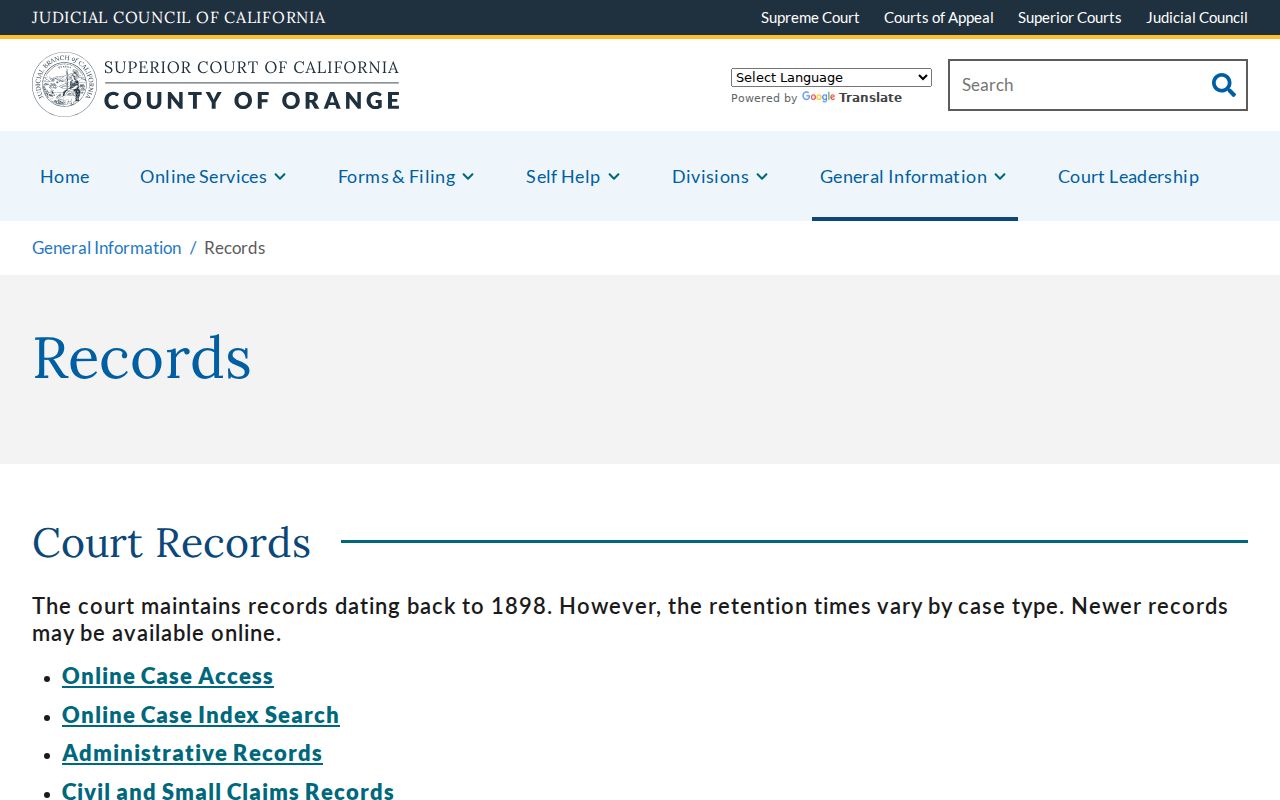
The county record route explains why a past-resident search continues beyond the first online result.
Laguna Niguel Permits Date the House
Deeds date title. Permits can date construction, alteration, inspection, or project activity. The Laguna Niguel Permit Center advertises permit status, history, daily inspection lists, applications, payments, and inspection scheduling. A registered dashboard may expose more controls. The individual public result should be inspected before attributing an applicant, contractor, architect, or owner field.
The city building-plan request form asks for the property, type, tract, and year built. The city states that plans before incorporation in 1989 are not held by City Hall. For a former household search, that means the early physical history may require Orange County-era plans or other county sources rather than a city request.
Permits do not establish every person who occupied an address. They supply dated physical clues that can be paired with a directory entry, newspaper notice, deed, or probate file.
The Laguna Niguel permit-system page documents the public workflow.
A permit date can place a building change between two ownership entries without turning the applicant into the past household.
Old Laguna Niguel Jurisdiction, New City
Before December 1989, the land was unincorporated Orange County. The planned community developed from the 1959 plan and 1961 sales, while later city records begin after incorporation. Search old property, planning, probate, and newspaper material under the county and tract geography that existed at the time. Rancho Niguel, Moulton Company, Laguna Niguel Corporation, Avco, tract, and lot are useful historical terms from the research.
That shift is a geography problem, not proof that a former resident record vanished. A later address can be matched to an earlier parcel through APN, legal description, tract map, deed, or annexation layer. A city name printed in a later source should not be projected backward into every earlier record.
The city history source is the right place to confirm the incorporation and development sequence before searching the older shelf.
Laguna Niguel Past Households in Directories
Ownership is only one layer of previous residents. A regional directory may capture an occupant at a particular edition. A reverse or criss-cross section may begin with an address. A census captures a household on its enumeration date. OCPL newspapers can add a marriage, obituary, civic event, or address clue. Exact local directory publishers and years remain unverified, so ask Archives or OCPL staff for a volume that actually covers the tract.
The 1950 census is open, but it predates modern Laguna Niguel's planned-community buildout. Use it for older ranch and county-area families only after reconstructing the enumeration geography. For later decades, pair newspapers, regional directories, deeds, permits, yearbooks, and probate. A disappearance from a directory can mean a move, death, publication gap, or a changed coverage area.
The historical shelf and its uncertainty are covered in the Laguna Niguel city directory collections. The past-resident task is to use the collection for one parcel and one timeline, not to claim a citywide run.
Close a Laguna Niguel Past-Resident Trail
When a former resident may have died or left an estate, probate can connect a person to a representative, heirs, or recorded transfer. Orange County Superior Court separates probate access from civil and family categories. A newspaper obituary can suggest relatives, prior communities, organizations, and services. A death certificate confirms the event only through the proper county or state eligibility route. A recorded deed can show a later transfer, but an obituary is not a court finding and a deed is not an occupant roster.
California certified-copy rules under Health and Safety Code §103526 distinguish authorized identity-valid copies from informational copies. Mail requests generally require a sworn or notarized statement. Confidential marriage records have a narrower route. Use a court record for a decree or probate file, the Clerk-Recorder or CDPH for a vital copy, and the newspaper archive for a dated lead.
The California certified-copy statute is the authority for the authorized and informational distinction.
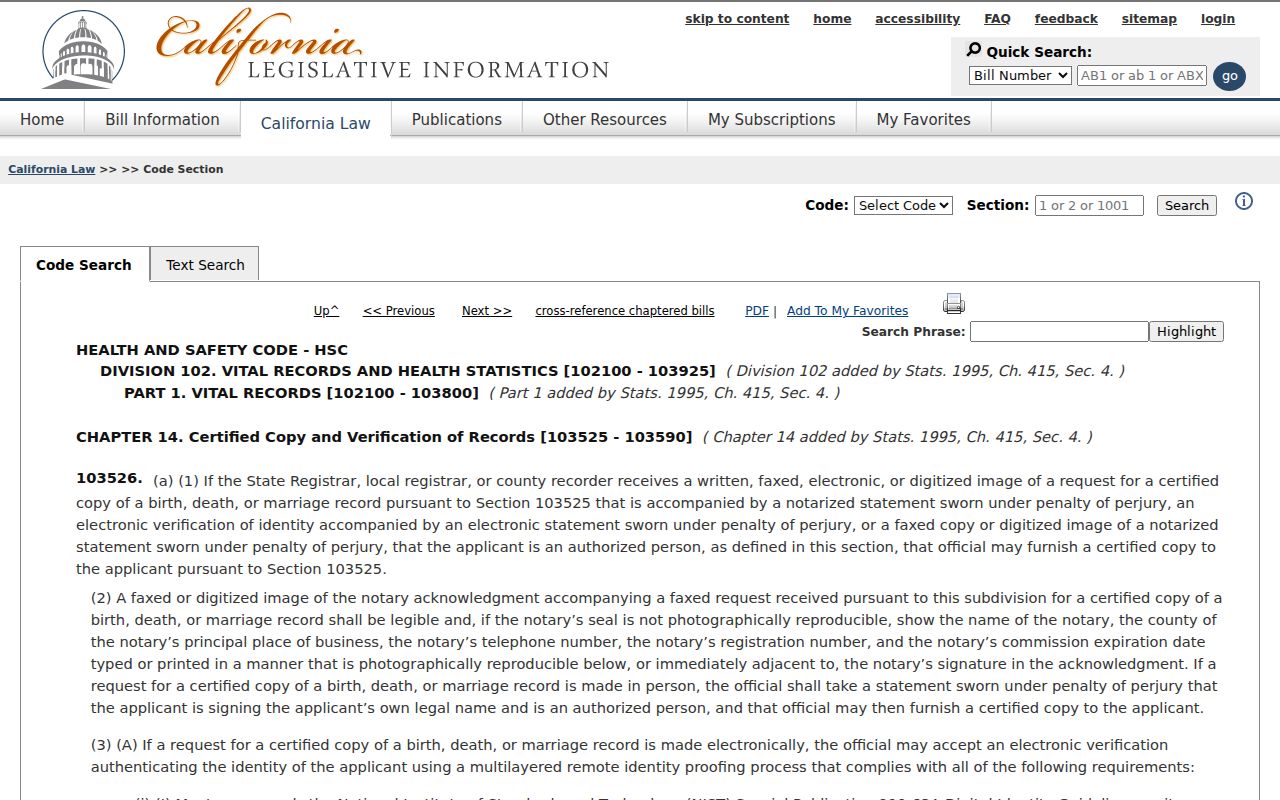
The statute view helps keep a historical lead separate from an identity-valid certificate.
Laguna Niguel Family Court Files
Family records can matter to a past-resident search, but access depends on case type, date, and requester status. Orange County online family proceedings generally cover cases opened in 1990 or later. Public terminals at any justice center can show proceedings, filings, parties, and hearings within the rules. Documents for dissolution, legal separation, or nullity have their own coverage notes. Domestic-violence and child-support agency records have separate restrictions. Parentage and sealed files may require a court order and identification.
Older cases may be ordered from offsite storage and can take about four business days to arrive. Indexes from 1968 forward can be searched at Lamoreaux Justice Center, while earlier indexes are at Central Justice Center. A clerk-performed search longer than ten minutes is listed at $15. Those details matter when a former household trail reaches a family case rather than a deed.
The Orange County family-law records page describes the online, terminal, and archive routes.
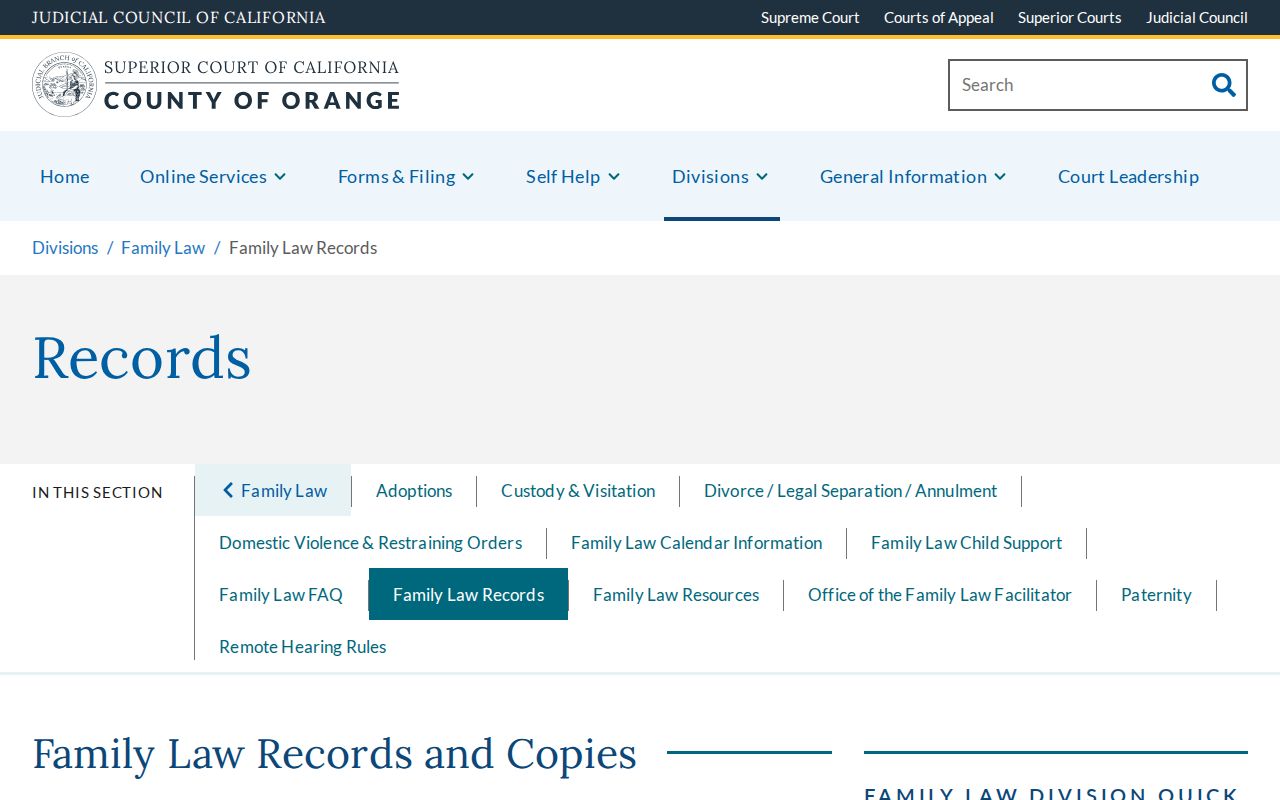
A restricted court source may still have a defined clerk route, but it cannot be treated as an open household list.
Privacy Limits for Laguna Niguel Past Residents
Previous residents research is for house history, genealogy, estate work, and personal civic curiosity. A current address lead can be sensitive, and records may omit protected participants, non-owner occupants, minors, or people whose records are sealed or confidential. Safe at Home can provide a substitute address and confidential voter route for eligible participants, while DMV and voter data remain controlled.
Do not publish a living person's contact details or use a past-resident trail to watch, harass, intimidate, or harm anyone. If a record is wrong, contact the original custodian. If a deed is fraudulent, Orange County's Property Fraud Prevention Courtesy Notice and the OCDA real-estate-fraud route are more useful than repeating an unverified name.
Lawful personal use. A Laguna Niguel previous-residents search should stay tied to documented house history, family history, or another lawful purpose. Confirm the record with the office that holds it and respect protected-address rules.
When the question changes to who is connected to the full current street, use the Laguna Niguel by-street chain and keep the current and historical tasks separate.